
Timeline for Replacing Running Shoes
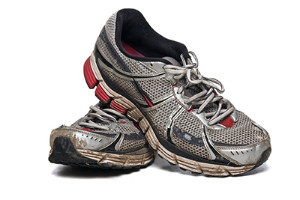
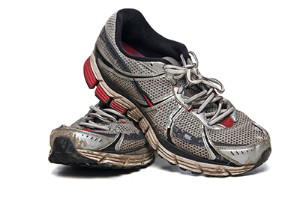
Running shoes are designed to absorb impact, provide support, and help runners move comfortably. Worn-out running shoes can contribute to foot injuries. Common problems include blisters, plantar fasciitis, and ankle discomfort. Shoes need replacement after about 300 to 500 miles, although mileage is just one factor. Loss of cushioning, uneven wear, and damage can signal that shoes should be replaced sooner.
Choosing running shoes should involve more than appearance. Your gait describes how your body moves while running, while your foot strike pattern describes how the foot contacts the ground. Foot structure also matters, because arch height, width, and alignment affect comfort and pressure. Running shoe materials influence cushioning, breathability, and durability. Risk factors include suddenly increasing mileage, running on hard surfaces, and wearing shoes after their support has declined.
There is no single replacement schedule that works for every runner. A heavier runner or someone who trains frequently may wear down shoes faster. Running on rough surfaces can increase material breakdown. Check the outsole for excessive wear and look for compressed cushioning. If one side appears more worn, your gait or foot strike pattern may be affecting the shoe. Replacing worn footwear before pain develops helps reduce stress on the feet and ankles.
A podiatrist evaluates your movement, examines discomfort, and considers how gait or foot mechanics may contribute to symptoms. Treatment options include activity adjustments, supportive recommendations, or care based on the cause. A podiatrist may also help you understand whether running habits or footwear choices are placing excess stress on your body. If you have foot injuries from wearing running shoes that are worn out, it is suggested that you consult a podiatrist for effective treatment solutions and additional guidance on when to replace your shoes.
If you are a runner, wearing the right running shoe is essential. For more information, contact one of our podiatrists from Family Foot & Ankle Centers. Our doctors can provide the care you need to keep you pain-free and on your feet.
Choosing the Right Running Shoe for Your Foot Type
To increase performance and avoid the risk of injury, it is important to choose the right running shoe based on your foot type. The general design of running shoes revolves around pronation, which is how the ankle rolls from outside to inside when the foot strikes the ground.
- Neutral runners are able to choose from a wide variety of shoes, including minimalist shoes or even going barefoot.
- Runners who overpronate, or experience an over-abundance of ankle rolling, should choose shoes that provide extra motion control and stability.
- Runners who underpronate, or supinate, have feet that have high arches and lack flexibility, preventing shock absorption. They require shoes with more flexibility and cushion.
If you have any questions, please feel free to contact one of our offices located in Corsicana, Ennis, and Waxahachie, TX . We offer the newest diagnostic and treatment technologies for all your foot care needs.
Read more about Choosing the Right Running Shoe for Your Foot Type
