

Diabetic Foot Blisters and Why Early Care Matters
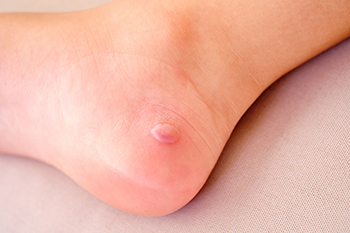
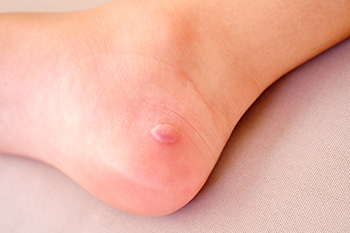
A diabetic foot blister is a fluid-filled area that develops on the skin of the foot. A blister may form after friction from shoes, prolonged walking, or minor trauma. It can appear as a raised, smooth area filled with clear fluid. People with diabetes may be more likely to develop blisters because nerve damage, poor circulation, and repeated pressure can reduce the ability to notice irritation. Some diabetic foot blisters develop without an obvious injury and may occur on the toes, soles, or sides of the feet.
Diabetic foot blisters can look like small bubbles beneath the skin. The surrounding area may become red, swollen, or irritated. However, diabetic neuropathy can reduce sensation, so a person may not feel significant pain. Risk factors include poorly fitting footwear, reduced sensation, and circulation problems. High blood sugar can also interfere with normal wound healing. A blister that becomes infected may produce increasing redness, warmth, or an unpleasant odor. These changes require prompt medical attention because foot infections can become serious.
A podiatrist will examine the blister and surrounding skin to determine its condition. The podiatrist may check circulation, sensation, and signs of infection. Care may include protecting the area from pressure, keeping the skin clean, and using appropriate dressings. The podiatrist may also recommend footwear changes and monitor healing closely. If infection is present, additional medical treatment may be necessary. A podiatrist can also identify underlying problems that increase the chance of another blister.
Do not pop or cut open a diabetic foot blister without professional guidance. Damaging the protective skin can increase the risk of infection and delayed healing. Prompt attention can help protect healthy tissue and lower the risk of complications. If you have diabetes and have developed a foot blister, it is suggested that you are under the care of a podiatrist who can offer effective relief and treatment solutions.
Blisters are prone to making everyday activities extremely uncomfortable. If your feet are hurting, contact one of our podiatrists of Family Foot & Ankle Centers. Our doctors can provide the care you need to keep you pain-free and on your feet.
Foot Blisters
Foot blisters develop as a result of constantly wearing tight or ill-fitting footwear. This happens due to the constant rubbing from the shoe, which can often lead to pain.
What Are Foot Blisters?
A foot blister is a small fluid-filled pocket that forms on the upper-most layer of the skin. Blisters are filled with clear fluid and can lead to blood drainage or pus if the area becomes infected.
How Do Blisters Form?
Blisters on the feet are often the result of constant friction of skin and material, usually by shoe rubbing. Walking in sandals, boots, or shoes that don’t fit properly for long periods of time can result in a blister. Having consistent foot moisture and humidity can easily lead to blister formation.
Prevention & Treatment
It is important to properly care for the affected area in order to prevent infection and ease the pain. Do not lance the blister and use a Band-Aid to provide pain relief. Also, be sure to keep your feet dry and wear proper fitting shoes. If you see blood or pus in a blister, seek assistance from a podiatrist.
If you have any questions, please feel free to contact one of our offices located in Corsicana, Ennis, and Waxahachie, TX . We offer the newest diagnostic and treatment technologies for all your foot care needs.
