

Bunion Relief in Corsicana, TX
 Bunion Care from Our Corsicana Podiatrists
Bunions are progressive foot deformities that develop at the joint at the base of the big toe. As the deformity progresses, the big toe may shift toward the smaller toes while the joint becomes increasingly prominent. Some bunions cause little discomfort, while others can make shoes, walking and everyday activities painful.
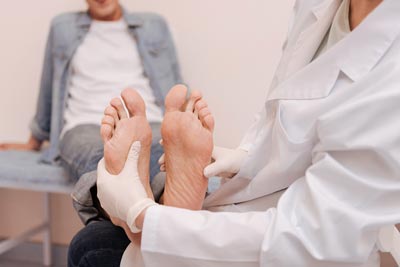
Our Corsicana podiatrists evaluate the position of the big toe joint, the severity of the deformity and the symptoms it is causing. When necessary, X-rays may be used to evaluate the alignment of the bones and joints and help determine the most appropriate treatment options.
Bunion Symptoms
Bunion symptoms can vary considerably. Some people have a noticeable deformity with little or no pain, while others experience significant discomfort even with a less prominent bunion.
Common signs and symptoms may include:
- A visible bump on the inside of the foot at the base of the big toe
- Pain or tenderness around the big toe joint
- Redness, irritation or swelling over the prominent joint
- Difficulty wearing certain shoes comfortably
- Stiffness or reduced motion of the big toe
- Corns or calluses where the toes rub against one another
- Gradual movement of the big toe toward the second toe
Bunions generally develop gradually and may become more noticeable over time. If a bunion is painful or beginning to interfere with shoes, walking or daily activities, a podiatric evaluation can help determine the severity of the deformity and appropriate treatment options.
What Causes Bunions?
Bunions usually develop because of the structure and mechanics of the foot. Inherited foot characteristics can make the big toe joint less stable and more likely to gradually shift out of alignment over time.
Several factors may contribute to the development or progression of a bunion, including:
- Inherited foot structure – Certain foot shapes and structural characteristics can increase the likelihood of developing a bunion.
- Abnormal foot mechanics – The way the foot functions during standing and walking can place additional stress on the big toe joint.
- Footwear – Tight, narrow or pointed shoes do not necessarily cause bunions, but they can place pressure on an existing deformity and worsen symptoms.
- Arthritis – Certain forms of arthritis can affect the big toe joint and contribute to joint deformity.
- Previous injury – Trauma involving the big toe joint may contribute to changes in its alignment or function.
Bunions often progress gradually. Identifying the factors contributing to the deformity can help your podiatrist recommend treatment aimed at reducing symptoms and improving foot function.
Treating Your Bunions
Our goal is to get your feet back to doing the activities you love as quickly as possible. Treatment option depends upon the severity of your condition and pain. Some of our foot doctor’s recommended treatments for bunions include:
- Non-surgical Treatment Options
These treatment options can relieve pain and pressure from your bunion and include:
- Wear comfortable and spacious shoes that have ample space for your toes.
- Use non-medicated and OTC bunion pads as a buffer between your shoes and your bunion to ease pressure and inflammation.
- Take OTC medications like acetaminophen (Tylenol), ibuprofen (Advil), or Naproxen (Alleve) to manage pain and swelling.
- Apply ice to the affected region to get rid of swelling and tenderness.
- You can also use padded shoe inserts for an even distribution of the pressure on your feet.
- Custom orthotics- A custom orthotic insert is helps to minimize the pressure from the joint.
- Surgical Treatment Options
If conservative options do not give you relief, then surgery may be a good option. Different types of surgical procedures can be done and will depend on your bunion severity. The goal of bunion surgery is to restore normal bone alignment and remove the “bump” on the big toe. This will improve your pressure distribution to your foot, relieve pain and discomfort, and improve walking.
Of course, it’s always best to develop a custom treatment plan for your bunions based on your unique situation and needs from one of our foot specialists. It’s important that our podiatrists at Family Foot & Ankle Centers take the time to get to know your feet and your unique condition so that we can come up with the best possible treatment plan together.
Bunion Care at Our Other Locations
Family Foot & Ankle Centers also provides bunion evaluation and treatment at our Waxahachie and Ennis offices. Learn more about bunion treatment in Waxahachie or bunion treatment in Ennis, or visit our main bunion treatment page for additional information about bunions and treatment options.
- bunion treatment in Waxahachie → Waxahachie bunion page
- bunion treatment in Ennis → Ennis bunion page
- bunion treatment → Main bunion page
Schedule a Bunion Appointment in Corsicana, TX
If bunion pain is making it difficult to wear shoes comfortably, walk or participate in your usual activities, schedule an appointment with our Corsicana podiatry team. Our podiatrists can evaluate your bunion and discuss nonsurgical and surgical treatment options based on your individual condition.
Call 903-872-9910 or use our convenient online appointment form to schedule an evaluation at our Corsicana office. We offer convenient appointments and have bilingual Spanish-speaking professionals on staff.
Since 1999, Dr. Jeffrey Petty has been treating patients at the Corsicana location. We are proud to serve Navarro county and surrounding areas such as Ennis, Blooming Grove, Kerens, Mexia, and Fairfield.